Castello di Laterina, Valdarno, Tuscany
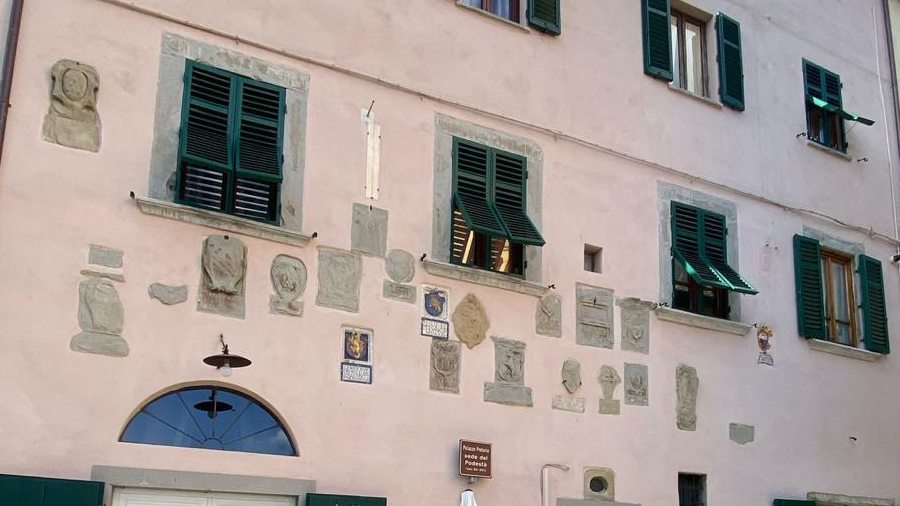
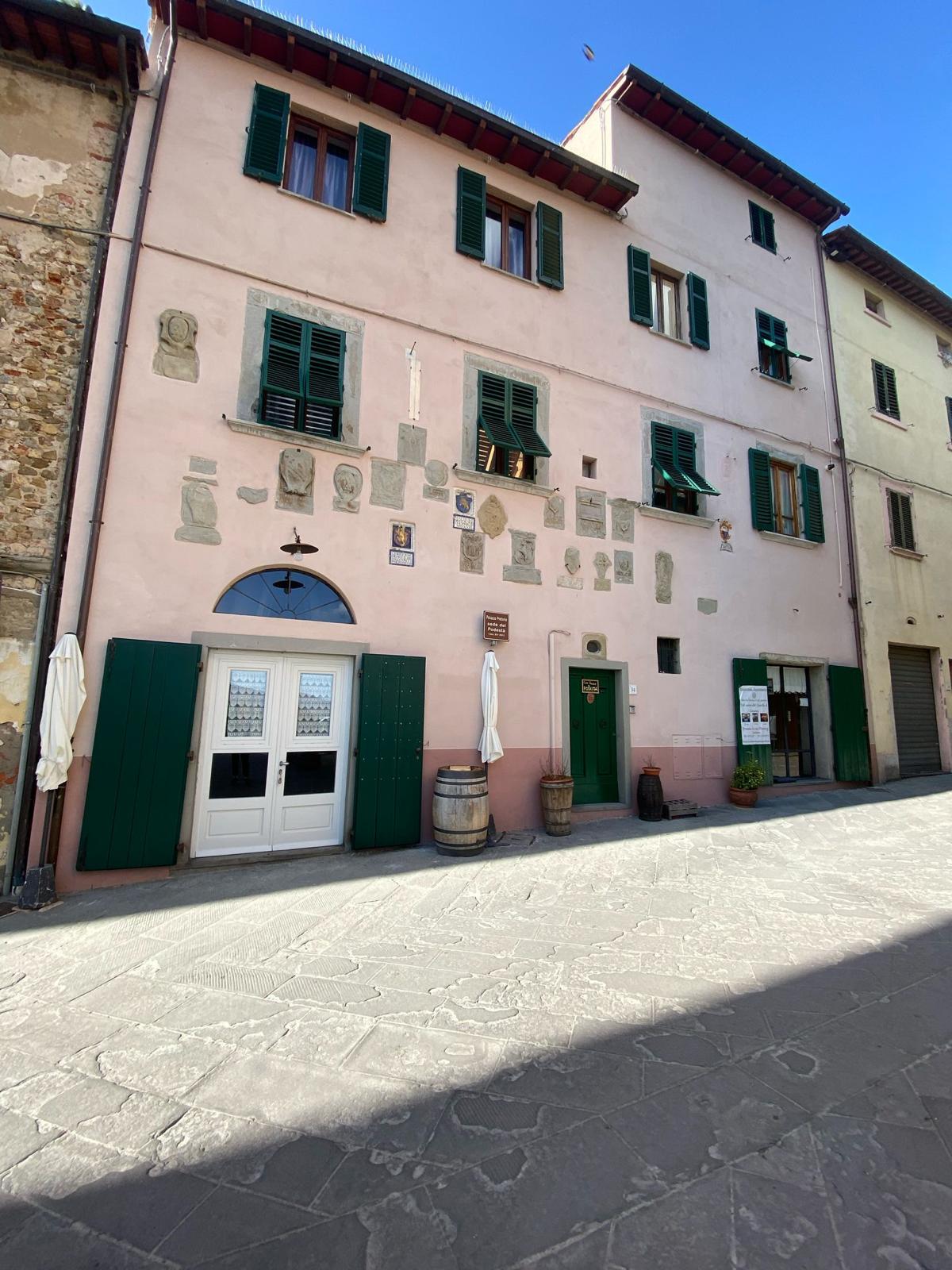
More than twenty coats of arms on the façade. In 1457 Michelangelo's grandfather was the Podestà of Laterina.
The Palazzo Podestarile, also known as the Palazzo Pretorio, faces the square of the church of Santi Ippolito e Cassiano, inside the walls of the Castello di Laterina, in the Valdarno near Arezzo. It was the seat of the Podestà, who governed the castle on behalf of the Florentine Republic. From the square you can see the façade with its coats of arms and its sundial; inside, today, are two of the four Benincasa Apartments homes.
The façade carries more than twenty stone coats of arms and a few in many-coloured glazed terracotta. They are the marks of the governments that followed one another over the centuries, set into the wall side by side. The same façade has a stone sundial.
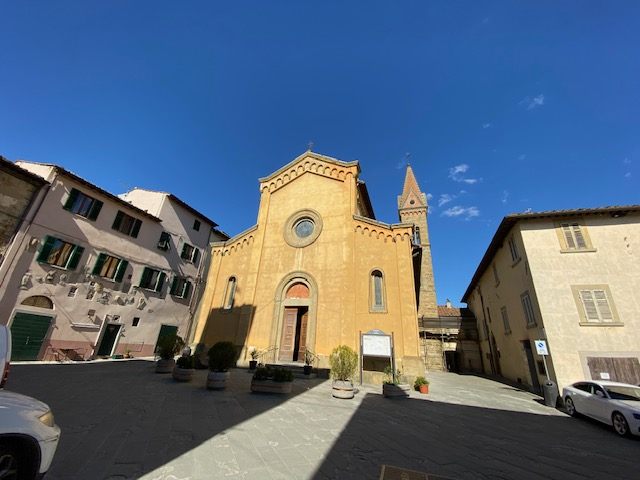
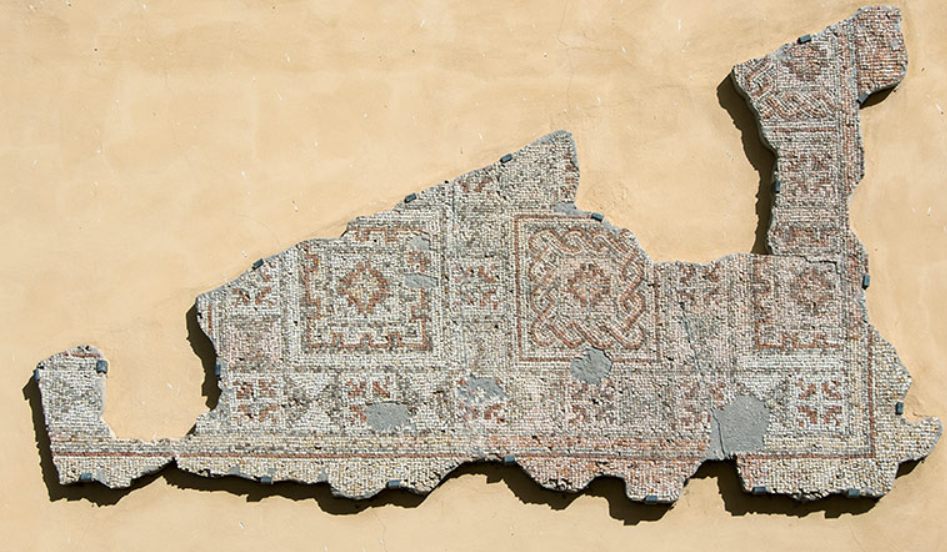
Next to the palace stands the church of Santi Ippolito e Cassiano. On either side of the church, mosaics from the Roman imperial age are on display: they come from a villa at Le Pievi, in the Laterina area.
In 1457 the Podestà of Laterina was Leonardo Buonarroti, Michelangelo's paternal grandfather. This is recorded in the family tree published in 1875 by Aurelio Gotti in his Life of Michelangelo Buonarroti, reconstructed from documents in the Buonarroti family archive. Leonardo died in 1459, sixteen years before his grandson was born. The link between Michelangelo and this palace is a fact from the archives, not a childhood memory.
Today the palace holds two holiday apartments.
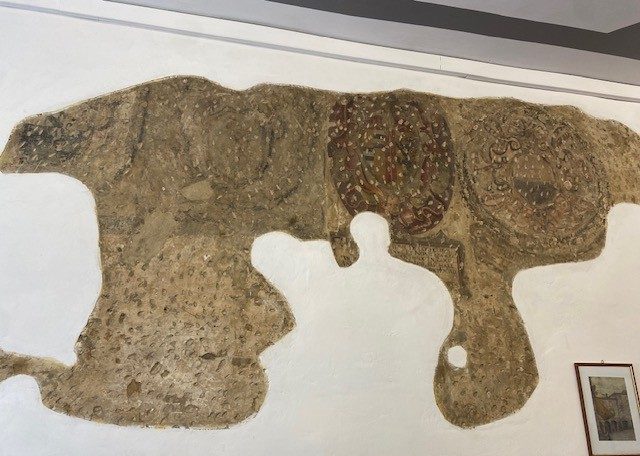
On the ground floor, Michelangelo occupies the Podestà's former reception hall. Fragments of Renaissance frescoes remain on the walls: coats of arms painted in red and ochre, and the remains of an inscription. The apartment owes its name to Leonardo Buonarroti.
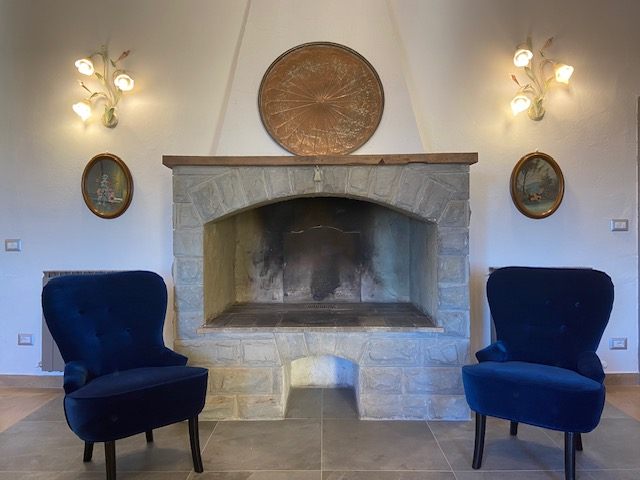
On the top floor, Il Podestà occupies the rooms that once housed the Podestà's officials. It has a stone fireplace that still works, a glazed terracotta coat of arms and a brick niche with a carved bust. The windows look out over the Valdarno valley.
The palace is on Corso Italia, in the centre of the Castello di Laterina, about twenty minutes from Arezzo. Free public car parks are less than 200 metres away. The walls, the Porta Fredda and the Torre Guinigi are described on the castle page.
Discover the Castle →To sleep in the palace there are Michelangelo, on the ground floor, and Il Podestà, on the top floor. The other two homes, La Torretta and Lo Sdrucciolo, are a few steps away in the same village.